
Choosing the right security company is an important decision for any business, property manager, or organization. Whether you need protection for a commercial property, residential community, corporate office, or construction site, the security provider you select plays a critical role in protecting your people, property, and operations.
In Washington, DC, security needs can be particularly complex. From busy commercial districts and high-traffic office buildings to residential developments and government-adjacent facilities, organizations require security professionals who are properly credentialed, prepared for their assignments, and accountable for their decisions.
But with so many security companies in Washington, DC, how do you know which one is truly qualified?
The answer goes beyond uniforms, pricing, and officer availability. A professional security company should demonstrate proper licensing, effective training, reliable supervision, and an understanding of the unique security requirements in the District of Columbia.
Here are seven essential qualities to look for before hiring a security company in Washington, DC.
1. Proper Licensing, Insurance, and Regulatory Compliance
One of the first things to verify when evaluating a security company is whether it meets the legal requirements to operate in Washington, DC.
The District of Columbia Department of Licensing and Consumer Protection (DLCP) regulates security agencies, Security Officers (SOs), and Special Police Officers (SPOs), with additional oversight and approval requirements involving the Metropolitan Police Department (MPD).
A qualified security provider should maintain the appropriate agency credentials and ensure its personnel are properly licensed or commissioned for their assigned responsibilities.
Before signing a contract, ask:
- Is the security company properly licensed to operate in Washington, DC?
- Does the company maintain appropriate liability insurance?
- Are assigned officers properly licensed or commissioned?
- Does the provider comply with applicable DC security regulations?
- Can the company provide documentation verifying its credentials?
Why it matters: Proper licensing and regulatory compliance help establish that a security company meets the District's legal requirements. Working with an unqualified provider can create unnecessary liability and operational risks.
2. Assignment-Specific Training and Qualified Special Police Officers (SPOs)
In Washington, DC, understanding the distinction between a Security Officer and a Special Police Officer is particularly important.
Security Officers and Special Police Officers (SPOs) are distinct credential categories in the District. The right assignment depends on the property's risks, the duties involved, and the authority required.
SPOs have limited arrest authority on the property they are contracted to protect, subject to applicable law and the terms of their commissions. Providers should explain those boundaries and confirm that each officer's credentials and authorizations match the assignment.
A qualified security company should explain how it prepares personnel for their duties and evaluates their performance in:
- Emergency response and incident management
- Conflict resolution and de-escalation
- Applicable laws and limitations of arrest authority
- Access control and property protection
- Incident reporting and documentation
- Professional communication and public safety
- Site-specific security procedures
For businesses seeking Special Police Officer services in Washington, DC, it's important to confirm that the provider has appropriately commissioned personnel qualified for the assignment.
Why it matters: Credentials establish eligibility for an assignment. Practical training, sound judgment, and clear procedures support an officer’s ability to perform it. Ask how the provider evaluates those capabilities before deployment.
3. Demonstrated Understanding of Your Industry and Security Requirements
Not every security company has the expertise necessary to protect every type of property.
A provider specializing in residential security may approach an assignment differently than a company experienced in corporate facilities, construction sites, or commercial buildings.
When selecting a security company in Washington, DC, look for experience that aligns with your organization's operational needs.
Common security environments include:
- Commercial and corporate properties: Access control, employee safety, visitor screening, and facility monitoring.
- Residential communities: Visitor management, property patrols, and resident safety.
- Construction sites: Equipment protection, perimeter security, and theft deterrence.
- Government-adjacent facilities: Site-specific access restrictions, security protocols, and operational requirements.
- Special events: Entry management, crowd monitoring, and emergency coordination.
An experienced security provider should understand the risks associated with each environment and develop appropriate procedures to address them.
Why it matters: Industry-specific experience allows security companies to anticipate challenges, recognize vulnerabilities, and deliver services tailored to the property rather than relying on a generic security approach.
4. Strong Supervision, Accountability, and Operational Support
Hiring trained security personnel is only one part of providing dependable protection.
Effective security services also require consistent supervision, clear communication, and operational accountability.
A professional security company should have established procedures for overseeing officer performance, addressing incidents, and maintaining reliable staffing.
When comparing security providers, ask:
- How are officers supervised throughout their assignments?
- What procedures are in place to address absences or staffing shortages?
- How are incidents documented and reported?
- Who is responsible for responding to client concerns?
- How does the company evaluate officer performance?
These questions help determine whether a security provider has the operational structure necessary to maintain consistent service quality.
Why it matters: Reliable supervision helps ensure security procedures are followed, personnel remain accountable, and clients receive the level of service they expect throughout the contract.
5. Customized Security Plans and Risk Assessments
Every property presents a unique set of security challenges.
A commercial office in downtown Washington, DC may experience different security concerns than a residential development, construction project, or warehouse.
Qualified security companies should evaluate a client's specific needs rather than recommending the same solution for every property.
A comprehensive security assessment may consider:
- Property size, layout, and access points
- Existing security systems and procedures
- Employee, resident, and visitor traffic
- Hours of operation
- Previous incidents and known vulnerabilities
- Emergency response procedures
- Areas requiring additional monitoring or protection
Based on this evaluation, a professional security provider can recommend appropriate services, such as access control, on-site security personnel, Special Police Officers, or scheduled patrols.
Why it matters: Customized security planning helps organizations direct resources toward their most significant vulnerabilities while avoiding unnecessary services and expenses.
6. Professionalism, Reliability, and Communication
Security personnel frequently serve as the first point of contact for employees, customers, residents, and visitors.
Their conduct reflects not only on the security company but also on the organization they are assigned to protect.
A qualified security provider should emphasize professionalism, punctuality, respectful communication, and dependable performance.
Security officers must be capable of remaining composed under pressure, responding appropriately to incidents, and interacting professionally with the public.
Equally important is communication between the security company and its clients.
Property managers and business owners should be able to reach their security provider, receive timely incident updates, and have concerns addressed efficiently.
Why it matters: Effective security should create an environment that is both safe and welcoming. Professional communication and reliable service help build confidence among employees, tenants, customers, and visitors.
7. Verifiable References and Ongoing Professional Development
A security company's reputation can reveal a great deal about its professionalism and operational standards.
Before hiring a provider, research its experience, request references, and evaluate its history of serving organizations with similar security needs.
Ask references about staffing reliability, supervisor responsiveness, reporting quality, and how the provider resolved operational concerns.
Ongoing training is another important indicator of a qualified security provider.
Security risks, industry practices, technology, and regulatory requirements continue to evolve. Security companies should regularly review operational procedures and provide personnel with opportunities to maintain and improve their skills.
For companies offering Special Police Officer services in Washington, DC, maintaining appropriate credentials and staying current with applicable training requirements is particularly important.
Why it matters: Security is an ongoing responsibility. Providers that invest in training, professional development, and operational improvements are better positioned to adapt to changing client needs.
Why Choosing the Right Security Company in Washington, DC Matters
Professional security services involve far more than maintaining a uniformed presence.
The right security provider can become an important component of an organization's broader safety and risk management strategy.
For businesses and property owners throughout Washington, DC, qualified security personnel can help:
- Deter theft, vandalism, trespassing, and unauthorized access
- Protect employees, residents, customers, and visitors
- Monitor restricted or sensitive areas
- Identify and report suspicious activity
- Support emergency preparedness and response
- Maintain consistent access control procedures
- Promote a safer, more professional environment
While no security provider can eliminate every risk, the right company can help organizations strengthen protective measures and improve their ability to respond when incidents occur.
Questions to Ask Before Hiring a Security Company in Washington, DC
Before selecting a security provider, take time to discuss your property's needs and evaluate the company's qualifications.
Ask about licensing, officer training, Special Police Officer credentials, supervision, insurance, and experience with similar assignments.
A qualified security company should be prepared to explain how it recruits personnel, maintains accountability, and develops security procedures tailored to each client.
Remember, the lowest-priced security company is not necessarily the most qualified.
Training, experience, reliability, and operational support all contribute to the effectiveness of professional security services.
Looking for a Professional Security Company in Washington, DC?
Choosing a qualified security provider is an investment in protecting your organization, employees, visitors, and property.
At Valentis, our approach to physical security centers on risk management, officer preparedness, and operational accountability. Effective protection starts with understanding your environment and defining how personnel should identify concerns, communicate, and respond.
When evaluating armed security officers or Special Police Officer services, ask how training translates into decisions on your property: recognizing developing threats, using de-escalation, following emergency procedures, and documenting incidents clearly.
Whether you're evaluating security services for a commercial property, residential community, construction site, or corporate facility, understanding what makes a security company qualified is the first step toward making an informed decision.

Explore Other Article
See All Article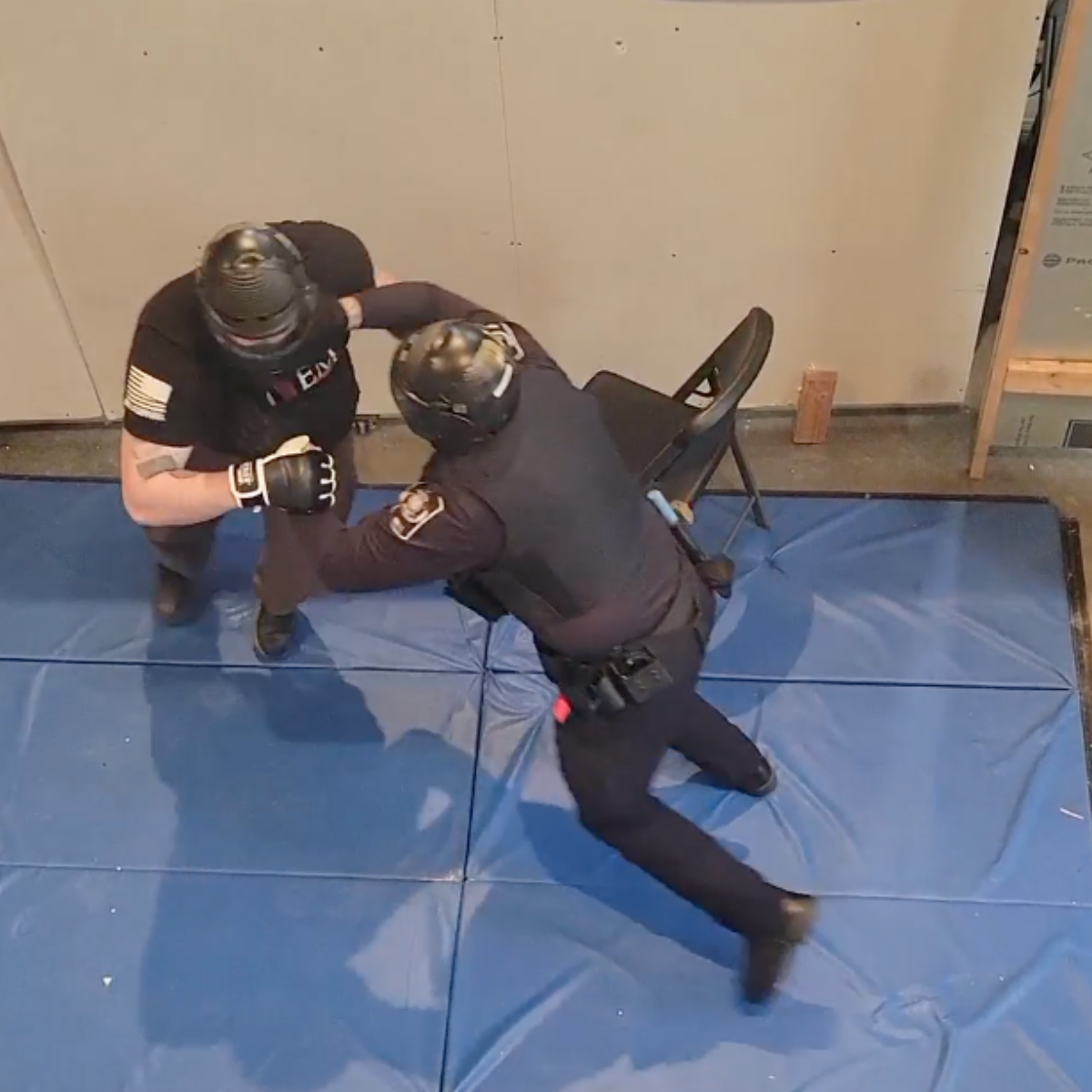
Understanding the Valentis Scenario Qualification: Security Guard Training
Introduction
In the realm of armed security, the responsibility to safeguard lives and property...
The Differences Between Qualified and Mediocre Security Companies
There is always a churning cycle in the private security industry. This cycle occurs when one...
Protect your Property and Staff from Homeless People using Empathy, Compassion, and a Qualified Security Company
As a security company, we understand that homelessness is a complex and sensitive issue that...