
January 19, 2026
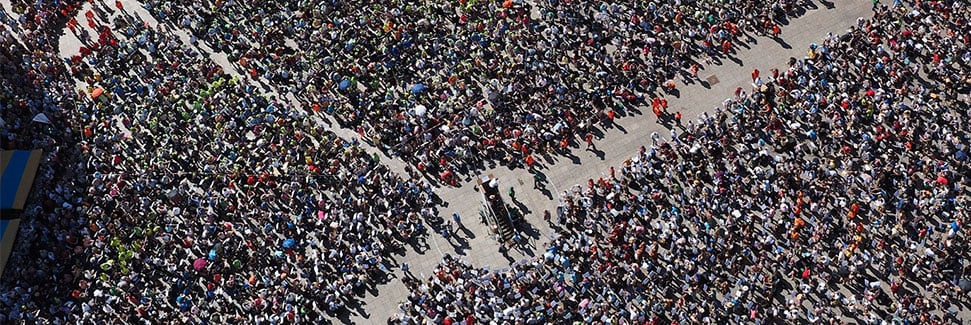
Mass gatherings such as concerts, festivals, sports events, parades, and political rallies come with a unique set of security demands. Large crowds create complex environments that require planning far beyond logistics. Organizers must consider crowd behavior, movement, environmental conditions, and potential threats, all while maintaining a duty of care to every attendee.
Why Event Security Requires Strategic Ownership
When you host a large-scale event, you accept responsibility for the safety of everyone involved. Organizers must anticipate foreseeable threats and implement protective measures. Depending solely on law enforcement or emergency services to manage all security operations is neither acceptable nor practical. These agencies often face limited resources, and their role is not to replace proper event planning. Organizers must lead security efforts and collaborate with external partners early in the planning process.
Negligence is at the center of many legal claims following security failures. When something goes wrong, investigators and attorneys ask the same question: Could this have been prevented with reasonable foresight?
Real-World Security Failures: What We Should Learn
Each of the following events underscores the importance of anticipating threats, not reacting to them after the fact.
Astroworld Music Festival (2021)
Crowd surges led to the deaths of 10 people and injuries to hundreds. Investigations cited poor crowd control, communication breakdowns, and the inability of security personnel to identify and respond to deteriorating conditions near the stage.
Route 91 Harvest Festival (2017)
A shooter opened fire from a nearby hotel, killing 58 people. The $800 million settlement that followed focused on security vulnerabilities beyond the immediate venue, including the lack of protective planning for external threats.
Pitbull Concert, New Hampshire (2021)
An attendee was left paralyzed after being attacked in an unmonitored area. The lawsuit pointed to minimal staffing, faulty lighting, broken surveillance equipment, and open access points as contributing factors.
Copa América Final, Hard Rock Stadium, Florida (2025)
Overflowing screening checkpoints delayed the match and created a dangerous bottleneck. Organizers failed to scale ingress operations for the crowd size, forcing emergency modifications without adequate staffing.
TRNSMT Festival, Glasgow, Scotland (2025)
Barriers were breached during peak crowd activity near the main stage, leading to dangerous surges and multiple injuries. Critics pointed to an absence of controlled circulation pathways and insufficient real-time monitoring of crowd density.
Rose Bowl Concert Violence, Pasadena, California (2025)
Fights escalated into targeted violence, and exits were partially obstructed by vendor setups. Internal security teams were slow to respond due to poor communications and unclear evacuation routes. Legal claims have already begun, focused on preventable layout issues and failure to manage egress effectively.
These incidents share a common theme. The risks were foreseeable, yet planning failed to account for them. Each one shows that successful security depends not on reacting to incidents, but on preventing them through structured, intelligent design.
Crowd Risk: Behavior, Pressure, and Responsibility
People behave differently in crowds. The larger the group, the more likely individuals are to assume someone else is managing their safety. This mindset, combined with poor planning, increases the risk of tragedy.
Common threats at mass gatherings include:
-
Active shooters
-
Crowd crush and surging
-
Environmental hazards (heat, lightning, wind)
-
Fires or explosions
-
Contagious illnesses
-
Theft and violence
-
Drunk or impaired behavior
-
Poorly maintained infrastructure
The principle of reasonable foreseeability plays a key role in security planning. If a risk would be obvious to a reasonable person, it must be actively addressed by the organizer. This is not only a best practice. It is a legal obligation.
Understanding Crowd Safety Management
“Crowd management is the systematic planning and proactive implementation of the spatial organization of large gatherings of people on the basis of continual monitoring and analysis of human movement and group dynamics with the objective of security, the protection and the preservation of the well being of all those present and participants.” -
John J. Fruin (1993)
Event organizers often confuse crowd control with crowd management. Crowd control is reactive. It happens after something goes wrong. Crowd management, on the other hand, is proactive. It involves shaping the environment, informing the public, and guiding movement to prevent issues before they start.
Crowd management includes:
Ingress
Structured entry points, efficient queuing, real-time screening, and clear communication to prevent bottlenecks.
Circulation
Signage, space layout, staff positioning, and monitoring to ensure people can move safely and avoid congestion.
Egress
Planned and unobstructed exits, calculated egress time for full evacuation, and visibility under stress or panic conditions.
Crowd crush injuries and deaths are often misunderstood as stampedes. In truth, most fatalities occur from static compression. When more than six people occupy one square meter of space, even a single trip can lead to deadly chest pressure. Forces in these environments can exceed 1,000 pounds, enough to bend steel. This is not speculation. These are established facts within crowd science.
One of the most visible examples of this was the 2017 Turin Stampede.
In a large public square in Italy, a Champions League watch party turned disastrous when loud bangs triggered panic. With over 30,000 people crammed into the area, the sudden surge toward narrow exits caused a wave of compression injuries. Over 1,500 people were hurt, including individuals who were crushed under collapsed fencing or trampled.
The Role of Training in Preventing Disaster
Volunteers and staff are often the first line of response during emergencies. Yet in many events, they are assigned roles without training, preparation, or awareness of what their duties actually entail. This places them and attendees at greater risk.
At Valentis, we advocate for a tiered training approach. Key personnel must be equipped to lead others under stress. Volunteers must understand their responsibilities clearly and have access to immediate guidance. Without this, even the best-laid plans can collapse under pressure.
Valentis: Redefining Event Security
Our Special Events Division is built around real-world risk, not assumptions. At Valentis, we provide structured, strategic security planning tailored to the unique demands of each event. Our role is not to show presence but to lead operations that protect organizers, guests, and assets.
We identify vulnerabilities, establish command roles, and partner with public agencies to ensure every event has layered, responsive coverage. We replace outdated staffing models with coordinated security operations designed to reduce liability and increase control.
If you are organizing an event, let’s talk. Valentis can help you build a plan that doesn’t just check a box but actually protects what matters.

Related Articles